


The secret to growing straight, sweet carrots is all about soil texture. If your ground is too rocky or dense, those roots will fork and twist into shapes that look more like pretzels than vegetables.
You need a medium that is light, fluffy, and free of debris. Finding the Best Soils for Carrots ensures your crop has the freedom to push downward without resistance. Keep reading to see which mixes provide the right environment for your garden.
Key Takeaways
- Prioritize loose and airy potting mixes to prevent root deformity in your carrots.
- Check that your mix contains organic matter like peat moss or coir to improve moisture retention.
- Ensure the soil is free from large woody chunks or rocks that physically obstruct root growth.
- Look for drainage-focused ingredients like perlite or oyster shell to stop roots from rotting.
- Select a nutrient-balanced blend that provides enough nitrogen for foliage without fueling excessive leaf growth over root production.
| Best Overall Medium |  |
Back to the Roots Organic Coir | Extremely lightweight and airy | Encourages straight root growth | Expands to large volume | View on Amazon | Read Review |
| Premium Nutrient Blend |  |
Coast of Maine Organic Planting Soil | Rich in organic matter | Improves soil structure | Excellent moisture regulation | View on Amazon | Read Review |
| Ideal Texture Profile |  |
FoxFarm Raised Bed Planting Mix | Contains earthworm castings | Maintains ideal aeration | Balanced for vegetables | View on Amazon | Read Review |
| Superior Organic Foundation |  |
Espoma Organic Raised Bed Mix | Completely natural ingredients | Optimized for raised beds | Safe for organic gardens | View on Amazon | Read Review |
| Specialized Root Nutrition | 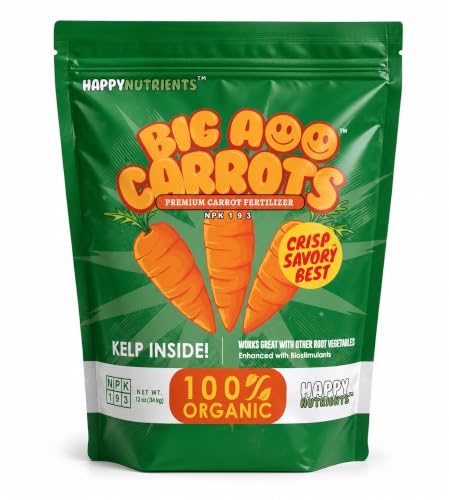 |
Big A Carrot Fertilizer | Targeted for root vegetables | Organic plant food | Promotes healthy root expansion | View on Amazon | Read Review |
| Convenient Container Solution |  |
Miracle-Gro Organic Outdoor Mix | Good drainage for containers | Includes natural fertilizer | OMRI listed | View on Amazon | Read Review |
| Moisture Retaining Blend | 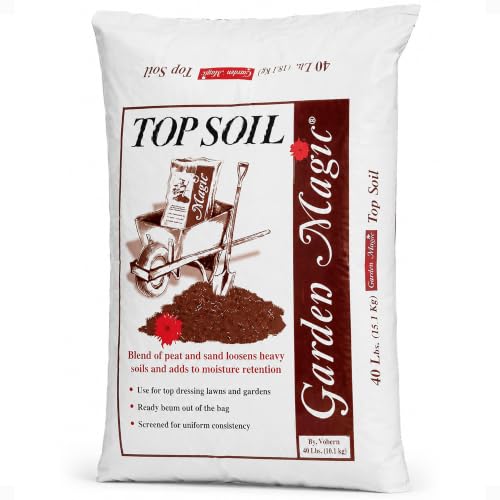 |
Michigan Peat Garden Magic | Excellent moisture retention | Versatile soil amendment | Organic composition | View on Amazon | Read Review |
| Reliable Moisture Control |  |
Miracle-Gro Organic Indoor Mix | Prevents over-watering damage | Ideal for starter plants | Organic ingredients | View on Amazon | Read Review |
| Precision Seed Germination |  |
Miracle-Gro Indoor Seed Starting | Fine texture for seeds | Promotes early germination | Great for cuttings | View on Amazon | Read Review |
| Heirloom Harvest Choice |  |
Royal Chantenay Carrot Seeds | Sweet and tender roots | Ideal for winter harvest | Open-pollinated heirloom | View on Amazon | Read Review |
More Details on Our Top Picks
-
Back to the Roots Organic Coir
Carrots are picky about their living conditions because they need loose, airy space to grow straight. This expanding coir is ideal for gardeners who struggle with heavy clay soil that stunts root development. It provides the fluffy texture carrots crave, allowing them to push downward without hitting resistance.
Just keep in mind that pure coir lacks natural nutrients on its own. You should supplement this base with a quality compost or organic fertilizer to ensure your carrots have the fuel needed for a vibrant harvest. It functions like a blank canvas, giving you total control over the soil environment.
- Brand:Back to the Roots
- Product Type:Expanding Coir
- Volume:51 Quarts
- Primary Use:Seeds and potting
- Additional Feature:Sustainably sourced coconut fiber
- Additional Feature:Great for drainage
- Additional Feature:Easy to store before expansion
-
Coast of Maine Organic Planting Soil
If your garden bed feels a bit tired, this nutrient-rich mix brings it back to life. It combines composted manure and peat moss to create a balanced environment for vegetables. Carrots benefit significantly from the enhanced drainage provided by this formula, which helps prevent rot in damp conditions.
Since it is quite dense with organic matter, it works best when mixed into existing garden beds. Be careful not to pack it down too tightly when planting your seeds. The composted ingredients act as a slow-release energy source for your growing vegetables throughout the season.
- Brand:Coast of Maine
- Product Type:Planting Soil
- Volume:20 Quarts
- Key Ingredients:Manure, peat moss
- Primary Use:Vegetables and containers
- Organic Certification:Yes
- Additional Feature:Enhances drainage
- Additional Feature:Suitable for ground or containers
- Additional Feature:OMRI listed for organic use
-
FoxFarm Raised Bed Planting Mix
Carrots often struggle in raised beds if the soil settles too hard after a few waterings. This mix solves that by including earthworm castings and oyster shell, which keep the medium loose and aerated. It is a ready-to-use blend that eliminates the guesswork of mixing components yourself.
The texture is perfect for root vegetables that need to move through the dirt with ease. You will appreciate that the soil stays consistently light even after heavy rains. It is a reliable choice for anyone building a dedicated space for carrots.
- Brand:FoxFarm
- Product Type:Planting Mix
- Volume:1.5 Cubic Feet
- Key Ingredients:Worm castings, oyster shell
- Primary Use:Raised beds
- Additional Feature:Ready to use
- Additional Feature:Supports root development
- Additional Feature:Great for all vegetables
-
Espoma Organic Raised Bed Mix
You want a medium that supports life, and this organic blend focuses on providing a safe foundation for your carrots. It is specifically formulated for raised beds where soil quality can make or break a crop. The all-natural ingredients help maintain a healthy microbial balance in the soil.
Because it is designed for vegetables, it holds enough moisture without becoming waterlogged. This is a critical balance for carrots, which can split if moisture levels fluctuate too wildly. You can trust this mix to provide a consistent environment for seeds to germinate.
- Brand:Espoma
- Product Type:Raised bed mix
- Volume:1.5 Cubic Feet
- Primary Use:Vegetable gardening
- Organic Certification:Yes
- Additional Feature:Designed for herbs and vegetables
- Additional Feature:Encourages strong root growth
- Additional Feature:Easy to manage
-
Big A Carrot Fertilizer
Sometimes you have the right soil but need a little extra help to reach a bigger harvest. This specialized fertilizer is tailored specifically for carrots and other root vegetables. Instead of high nitrogen, which encourages tops over roots, it provides the proper mineral balance to focus energy underground.
Use this when your soil is already high-quality but lacks the specific nutrients for root expansion. A little goes a long way, so follow the application rates carefully to avoid burning the delicate roots. It serves as the perfect supplement to your primary soil medium.
- Brand:Big A
- Product Type:Fertilizer
- Primary Use:Carrot growth
- Organic Certification:Yes
- Additional Feature:Works for indoor plants
- Additional Feature:Enhances vegetable development
- Additional Feature:Premium mineral blend
-
Miracle-Gro Organic Outdoor Mix
If you are growing your carrots in pots, you need a mix that drains well and stays light. This outdoor potting mix is engineered to provide the aeration that container-grown vegetables require. It includes a quick-release fertilizer that helps seedlings get off to a strong start.
The mix is lightweight, which makes moving your containers much easier. Just remember to monitor the moisture levels closely, as container soil dries out faster than ground soil. It is a highly accessible option for urban gardeners or those with limited yard space.
- Brand:Miracle-Gro
- Product Type:Potting mix
- Volume:16 Quarts
- Primary Use:Outdoor containers
- Organic Certification:Yes
- Additional Feature:Quick-release nutrients
- Additional Feature:Lightweight consistency
- Additional Feature:Consistent performance
-
Michigan Peat Garden Magic
Gardeners in dry climates often struggle to keep their carrot beds hydrated long enough for successful germination. This potting and topsoil mix excels at retaining moisture, ensuring your seeds do not dry out before they sprout. It works well as a soil amendment to increase the water-holding capacity of your existing dirt.
Because it holds water so effectively, ensure your garden bed has adequate drainage elsewhere. It is an excellent choice for improving sandy soil that usually lets water pass through too quickly. Think of it as a sponge for your garden that keeps roots hydrated during heatwaves.
- Brand:Michigan Peat
- Product Type:Potting and topsoil
- Volume:40 Pounds
- Primary Use:Planting and gardening
- Organic Certification:Yes
- Additional Feature:Suitable for indoor use
- Additional Feature:Helps prevent soil drying
- Additional Feature:Good for landscaping
-
Miracle-Gro Organic Indoor Mix
Growing carrots indoors can be tricky because the environment is very different from a garden bed. This mix is designed to protect against over-watering and under-watering, which are the two biggest threats to indoor root health. The specialized blend ensures the roots stay healthy even in confined spaces.
It is a great choice for seed starting and keeping young plants thriving until they are ready for the outdoors. You will find that the mix feels consistently soft, which is exactly what a developing carrot needs to grow long and straight. It takes the guesswork out of indoor hydration.
- Brand:Miracle-Gro
- Product Type:Indoor potting mix
- Volume:16 Quarts
- Primary Use:Indoor containers
- Organic Certification:Yes
- Additional Feature:Supports steady growth
- Additional Feature:Protects delicate roots
- Additional Feature:Easy to use
-
Miracle-Gro Indoor Seed Starting
Starting carrots from seed requires a very fine, consistent medium to ensure high germination rates. This mix is light and fluffy, allowing those tiny carrot sprouts to emerge without any effort. It is specifically formulated to be gentle on fragrant seeds and delicate cuttings.
Because it is so fine, it stays close to the seed, keeping it moist throughout the critical first few days. Once the plants reach a few inches tall, you can easily transplant them into a larger container or the garden. It is a dedicated starter tool for your vegetable patch.
- Brand:Miracle-Gro
- Product Type:Seed starting mix
- Volume:8 Quarts
- Primary Use:Starting seeds
- Additional Feature:Two-pack convenience
- Additional Feature:Soft consistent consistency
- Additional Feature:Supports early development
-
Royal Chantenay Carrot Seeds
No matter how good your soil is, you need the right genetics to get a sweet, tender carrot. These heirloom seeds are perfect for gardeners who want a classic, short-rooted carrot that performs well in heavy or shallower soil. They grow into sweet and tender roots that store well for winter harvests.
They are open-pollinated, meaning you can save seeds from your best carrots for the next year. These are non-GMO seeds that thrive in both fall and winter, making them a hardy addition to your garden plan. Pairing them with a loose, organic soil will yield the best results.
- Brand:Royal Chantenay
- Product Type:Carrot seeds
- Primary Use:Garden planting
- Additional Feature:Non-GMO
- Additional Feature:Short carrot variety
- Additional Feature:Excellent for storage
Frequently Asked Questions
Should I use potting mix or garden soil for carrots in containers?
Use a high-quality potting mix because it is designed to stay fluffy and aerated in restricted spaces. Garden soil is often too heavy and will compact into a brick when placed in a container, which prevents the carrots from growing downward. Potting mixes also provide better drainage, which is vital for preventing rot. Look for blends that include coco coir or peat moss to help retain just enough moisture without becoming waterlogged.
How deep does my soil need to be?
The depth depends entirely on the variety you choose to grow. Short, stubby Nantes or round varieties only need about 6 to 8 inches of loose soil. If you prefer long, classic carrots, you must provide at least 12 inches of depth. Always clear out any hardpan or compacted soil beneath your raised bed or container to give the roots extra room.
Can I reuse old potting soil for carrots?
You can reuse it, but you should refresh the nutrients first. Old soil often loses its structure and fertility after a full growing season. Mix in some fresh compost or organic fertilizer to replenish the nitrogen and potassium levels. Make sure to remove any old roots or debris from the previous crop to keep the soil clean and pathogen-free.
Why are my carrots coming out short and fat?
This usually happens because the soil is too hard for the carrot to penetrate. When the root hits a compacted layer or clay, it stops going down and starts growing out. Tilling the soil more deeply or mixing in coarse sand can prevent this issue. It is also possible you planted a variety meant to be short, so double-check your seed packet to see what shape you should expect.
Is it okay to add fresh manure to my carrot patch?
Avoid adding fresh manure because it is usually too high in nitrogen and can contain harmful bacteria. Fresh manure also encourages the carrots to fork and can cause the roots to taste bitter or develop odd shapes. If you want to add organic matter, use well-aged compost instead. Apply it several weeks before you plan to sow your seeds to ensure it has fully broken down and integrated into the soil structure.