

The house lights dim, the orchestra begins a hushed, swirling overture, and suddenly you are lost in a sea of Italian librettos and soaring high notes. It feels like standing before a vast, beautiful ocean without a map.
Finding the Best Opera Recordings for Beginners is about finding a companion who can translate that grand, complex sound into something personal. Stick with me as we organize the noise and find the right starting point for your collection.
Key Takeaways
- Prioritize guides that offer plot summaries alongside specific recommendations for legendary performances.
- Choose instructional books that include digital audio tracks to help you grasp the rhythm and phrasing of the music.
- Look for historical surveys that provide context on recording quality, as early audio capture often lacks modern clarity.
- Verify that songbooks indicate the difficulty level so you can grow your skills at a steady pace.
- Seek out written guides that balance technical analysis with personal commentary to keep the reading engaging.
| Essential Narrative Primer |  |
The History of Opera for Beginners | Extremely readable format | Logical historical progression | Ideal for newcomers | View on Amazon | Read Review |
| Vintage Audio Archive | 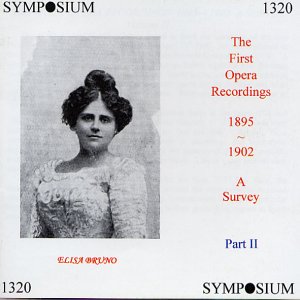 |
First Opera Recordings 1895-1902 Survey | Historical vocal preservation | Unique sonic perspective | Rare performance captures | View on Amazon | Read Review |
| Witty Plot Companion |  |
A Night at the Opera Guide | Humorously written advice | Practical plot summaries | Helpful singer biographies | View on Amazon | Read Review |
| Analytical Listening Companion | 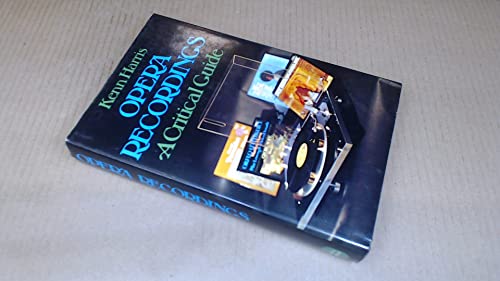 |
Opera Recordings A Critical Guide | In-depth critical reviews | Focus on performance quality | Structured assessment criteria | View on Amazon | Read Review |
| Practical Musician Entry |  |
Easy Renaissance Guitar Pieces | Accessible guitar arrangements | Includes online audio | Focus on Renaissance era | View on Amazon | Read Review |
| Technical Foundation Builder |  |
Czerny Practical Method for Beginners | Established teaching method | Progressive difficulty level | Includes online audio | View on Amazon | Read Review |
| Melodic Practice Resource |  |
Rubank Book of Flute Solos | Beautiful melodic choices | Includes piano accompaniment | Easy to manage level | View on Amazon | Read Review |
| Systematic Fingerstyle Guide | 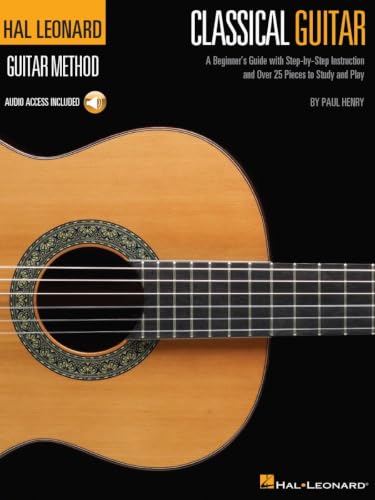 |
Hal Leonard Classical Guitar Method | Clear instructional path | Strong focus on fundamentals | Includes online audio | View on Amazon | Read Review |
| Ensemble Learning Tool |  |
Trapp Family Recorder Method | Great for ensemble practice | Encourages group play | Simple instructional approach | View on Amazon | Read Review |
| Comprehensive Knowledge Hub |  |
Opera 101 Complete Guide | Highly detailed coverage | Explains operatic roles | Excellent for true beginners | View on Amazon | Read Review |
More Details on Our Top Picks
-
The History of Opera for Beginners
This book serves as a perfect entry point for anyone who finds the timeline of opera confusing. It breaks down complex eras into digestible chapters, helping you understand how the art form evolved from its early roots.
You will appreciate the clear explanations that avoid overly academic jargon. Just keep in mind that this is a broad overview, so it does not provide deep dives into specific individual scores or complex vocal techniques.
- Primary Subject:Opera history
- Skill Level:Beginner
- Publisher:Various
- Additional Feature:Chronological chapter layout
- Additional Feature:Contextual cultural background
- Additional Feature:Accessible prose style
-
First Opera Recordings 1895-1902 Survey
If you want to hear how the earliest stars sounded, this collection is your primary resource. It captures the raw, crackling essence of performances from the turn of the century.
The audio quality is reflective of the primitive technology available at the time, which can be jarring if you are used to modern studio crispness. Still, it remains a vital document for any serious student of vocal history.
- Primary Subject:Opera history
- Format Type:Audio collection
- Historical Scope:1895 to 1902
- Additional Feature:Rare archival vocal takes
- Additional Feature:Early recording techniques
- Additional Feature:Comparative performance styles
-
A Night at the Opera Guide
This guide is like having a knowledgeable friend whisper the plot points to you during a performance. It tackles the common stories with a refreshing sense of humor, making the melodrama feel much more human.
The book excels at demystifying composers and their varying styles. Because it focuses on an irreverent tone, it might feel a bit too informal if you are looking for a strictly scholarly or historical reference work.
- Primary Subject:Opera appreciation
- Format Type:Guidebook
- Skill Level:Beginner
- Additional Feature:Insightful composer profiles
- Additional Feature:Recording recommendations
- Additional Feature:Concise plot synopses
-
Opera Recordings A Critical Guide
Use this guide when you want to compare different vocal interpretations of the same famous arias. It provides a structured way to evaluate what makes a specific performance stand out from the crowd.
It is particularly useful for building a thoughtful library of essential recordings. Note that the critical assessments are subjective, so you may occasionally find yourself disagreeing with the author's preferences.
- Primary Subject:Opera discography
- Format Type:Reference text
- Skill Level:Intermediate
- Additional Feature:Comparative artist analysis
- Additional Feature:Detailed production notes
- Additional Feature:Essential repertoire list
-
Easy Renaissance Guitar Pieces
You can actually play the music that helped shape the early foundations of the operatic tradition. This collection provides manageable arrangements that allow you to participate in the music rather than just listening to it.
The inclusion of online audio is a massive help for getting the phrasing right. It is specifically designed for the guitar, so do not expect full orchestral scores or vocal parts.
- Primary Subject:Classical guitar
- Skill Level:Beginner to intermediate
- Audio Inclusion:Online audio
- Additional Feature:Sixty-one lute works
- Additional Feature:Helpful audio tracks
- Additional Feature:Clear musical notation
-
Czerny Practical Method for Beginners
Every opera singer and instrumentalist needs a solid grasp of classical technique to succeed. This method book by Czerny is a classic for a reason, focusing on the essential finger strength and agility required for complex works.
The etudes are progressive, meaning you start simple and slowly increase the challenge level as you improve. It is purely an instructional tool for piano, so it does not contain vocal melodies or opera arias.
- Primary Subject:Piano technique
- Skill Level:Beginner
- Audio Inclusion:Online audio
- Additional Feature:Targeted finger exercises
- Additional Feature:Musical etudes included
- Additional Feature:Technical development drills
-
Rubank Book of Flute Solos
Opera is filled with soaring melodies, and this collection helps you perform those classic themes on the flute. It is perfect for beginners who want to play beautiful, recognizable music without needing years of experience.
The book comes with piano accompaniments, which creates a much more authentic performance atmosphere. Just be aware that these are solo arrangements, not orchestral reductions of full opera scenes.
- Primary Subject:Flute solos
- Skill Level:Beginner
- Audio Inclusion:Online audio
- Additional Feature:Practice support tools
- Additional Feature:Thirteen classical pieces
- Additional Feature:Accompaniment tracks provided
-
Hal Leonard Classical Guitar Method
If you want to understand the core structures of classical music, starting with the guitar is a smart move. This method explains the basics of sight-reading and fingerstyle play with clear, simple steps.
The online audio files act as a teacher in your living room, showing you exactly how the notes should ring out. It is a dedicated method book, so it assumes you are starting from zero and moves at a steady pace.
- Primary Subject:Classical guitar
- Skill Level:Beginner
- Audio Inclusion:Online audio
- Additional Feature:Sight-reading lessons
- Additional Feature:Repertoire building exercises
- Additional Feature:Fingerstyle technique focus
-
Trapp Family Recorder Method
Playing in an ensemble setting is one of the best ways to understand how different musical parts fit together in opera. This book introduces you to the recorder through a variety of duets and quartets.
It focuses on early musical education techniques that make learning feel less like a chore. While the recorder is different from the human voice, the discipline of playing in a group is entirely applicable to operatic performance.
- Primary Subject:Recorder
- Format Type:Instructional book
- Skill Level:Beginner
- Additional Feature:Includes duets and trios
- Additional Feature:Embellishment lessons
- Additional Feature:Accessible sheet music
-
Opera 101 Complete Guide
This is the gold standard for anyone who wants to move beyond the surface and truly understand the mechanics of the art form. It explains everything from voice types to the specific roles of the conductor and director.
The book is remarkably thorough, covering the history and the practicalities of attending your first show. It is a dense read, though, so take your time and do not feel pressured to absorb every detail in a single weekend.
- Primary Subject:Opera education
- Format Type:Reference book
- Skill Level:Beginner
- Additional Feature:Voice type explanations
- Additional Feature:Production insight
- Additional Feature:Deep historical context
Frequently Asked Questions
Do I need to understand the language to enjoy opera?
Not at all. Opera is a highly visual medium where the music conveys the emotional stakes regardless of whether you understand every word of Italian or German. Focusing on the emotional arc of the singers is often enough to keep you engaged. Once you know the basic plot, the language barrier usually fades into the background.
Should I start with a famous aria or a full opera?
Start with a highlights album if you feel intimidated by a three hour performance. This lets you hear the most memorable melodies before you commit to the entire narrative structure. If you jump straight into a full opera, you might find the pacing overwhelming. A collection of greatest hits acts as a gentle introduction to the composer's style.
What is a libretto and why is it useful?
A libretto is the written script of the opera, containing all the dialogue and stage directions. It is essentially your guidebook for the performance. Using one allows you to follow the intricate plot twists in real time. Without it, you might miss the subtle motivations behind why a character is acting in a certain way.
Is there a specific era of opera that is best for beginners?
Many listeners find the Romantic era of the 19th century to be the most accessible starting point. Composers like Verdi and Puccini wrote soaring, melodic lines that are very easy to hum along with. These works tend to have clear, dramatic storylines that translate well to modern audiences. They provide a solid foundation before you explore more complex or abstract styles.
How much should I spend on my first recording?
You do not need to spend a fortune to get a high quality performance. Many classic recordings are now available at a very reasonable price point through budget reissues. Prioritize finding a definitive performance over the newest release. Older recordings often feature iconic singers whose interpretations define the standard for that specific role.