


The difference between a lackluster recording and a professional track hinges on how you capture the transient detail of your strings. Your room acoustics and mic placement matter, but the transducer itself dictates the final texture of your sound.
Finding the Best Microphones for Recording Acoustic Guitar requires matching the hardware to your specific playing style. A thin, brittle capture ruins a great performance, so focus on the nuances below to identify the right match for your studio.
Key Takeaways
- Small diaphragm condensers excel at capturing the crisp, high-frequency sparkle essential for fingerstyle arrangements.
- Dynamic microphones offer a warmer, more forgiving response that helps tame harsh resonances in smaller recording spaces.
- Matched pairs are necessary if you plan on utilizing stereo recording techniques to capture a wide, immersive soundstage.
- Choose a cardioid polar pattern to isolate your guitar while rejecting unwanted noise from the surrounding room.
- Clip-on systems provide consistent positioning but may sacrifice the depth found in traditional stand-mounted microphone setups.
| Ultimate Stereo Precision |  |
LyxPro SDPC-2 Small Diaphragm Condenser Set | Three interchangeable capsules | Accurate stereo imaging | Natural frequency response | View on Amazon | Read Review |
| Legendary Studio Workhorse |  |
Shure SM57 Dynamic Instrument Microphone | Extremely durable build | Handles loud volumes | Proven reliability | View on Amazon | Read Review |
| Perfect Amp Companion |  |
Sennheiser e 609 Silver Instrument Microphone | Unique side-address profile | Excellent noise rejection | Flat, compact design | View on Amazon | Read Review |
| Mobile Performance Essential |  |
Audio-Technica PRO 35 Clip-on Mic | Direct instrument attachment | Consistent sound quality | Low-profile design | View on Amazon | Read Review |
| High Definition Clarity |  |
AKG Perception 170 Instrumental Microphone | Exceptional transient response | Slim, compact body | High SPL handling | View on Amazon | Read Review |
| Rugged All-Purpose Utility |  |
Shure SM58 Dynamic Vocal Microphone | Nearly indestructible | Warm, smooth response | Versatile application | View on Amazon | Read Review |
| Home Studio Standard | 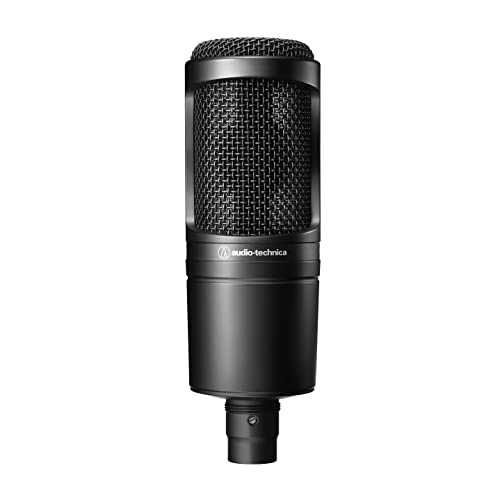 |
Audio-Technica AT2020 Large Diaphragm Condenser | Broad dynamic range | Transparent, neutral tone | Consistent performance | View on Amazon | Read Review |
| Focused Sound Sculptor |  |
RØDE PodMic Broadcast Dynamic Microphone | Excellent noise rejection | Solid, heavy build | Internal pop filter | View on Amazon | Read Review |
| Professional Stereo Ensemble |  |
Rode M5-MP Matched Pair Condensers | Perfectly matched pair | High-grade components | Complete recording kit | View on Amazon | Read Review |
| High-Output Stage Performer |  |
Superlux PRA628MKII Dynamic Instrument Mic | High volume capacity | Excellent isolation | Included mounting clamp | View on Amazon | Read Review |
More Details on Our Top Picks
-
LyxPro SDPC-2 Small Diaphragm Condenser Set
If you want to capture the full acoustic resonance of your guitar, this stereo pair is your best bet. You get three interchangeable capsules, letting you switch between cardioid, super-cardioid, and omni patterns to dial in the exact room tone you desire.
These microphones act like a high-resolution camera for your audio, picking up bright, crisp details that larger diaphragms often miss. Keep in mind that as sensitive condenser mics, they require a quiet room to prevent picking up unwanted background noise.
- Brand:LyxPro
- Microphone Type:Small Diaphragm Condenser
- Polar Pattern:Omni, Cardioid, Super-Cardioid
- Package Quantity:Two
- Connectivity:XLR
- Form Factor:Pencil
- Additional Feature:Includes stereo mounting bar
- Additional Feature:High frequency sensitivity
- Additional Feature:Solid metal construction
-
Shure SM57 Dynamic Instrument Microphone
The SM57 is a permanent fixture in every professional studio. Its ability to handle high sound pressure levels makes it incredibly reliable for miking up steel-string acoustics without distorting the signal.
You will find it difficult to break this mic, as it is built like a tank. While it lacks the extreme high-end shimmer of a condenser, its mid-range focus ensures your guitar sits perfectly in a dense mix.
- Brand:Shure
- Microphone Type:Dynamic
- Polar Pattern:Cardioid
- Connectivity:XLR
- Form Factor:Handheld
- Additional Feature:Contoured frequency response
- Additional Feature:Uniform pickup pattern
- Additional Feature:Internal pneumatic shock mount
-
Sennheiser e 609 Silver Instrument Microphone
This microphone features a unique, flat side-address design that allows you to hang it right over the front of an amp or guitar body. It is specifically engineered to reject off-axis noise, keeping your recording clean even in less than ideal environments.
The sound profile is quite balanced, emphasizing clear mids and highs that cut through a track. It is a specialized tool, so it might feel a bit unusual if you are accustomed to traditional upright pencil mics.
- Brand:Sennheiser
- Microphone Type:Dynamic
- Polar Pattern:Super-Cardioid
- Connectivity:XLR
- Form Factor:Flat
- Additional Feature:Integrated hum-compensating coil
- Additional Feature:Robust metal housing
- Additional Feature:Lightweight build
-
Audio-Technica PRO 35 Clip-on Mic
If you move around while playing, this clip-on condenser is your solution. It attaches directly to your guitar, providing consistent proximity and volume regardless of how you move during a performance.
Because it is a condenser, it delivers a detailed and vibrant tone that beats most stage pickups. You will need a mixer or interface that provides phantom power to run this unit.
- Brand:Audio-Technica
- Microphone Type:Condenser
- Polar Pattern:Cardioid
- Connectivity:XLR
- Form Factor:Clip-on
- Additional Feature:Extended frequency response
- Additional Feature:Secure mounting system
- Additional Feature:Long cable included
-
AKG Perception 170 Instrumental Microphone
This mic is designed for those who prioritize sparkling high frequencies and transient response. It captures the percussive attack of your guitar strings with surgical precision, making it excellent for intricate fingerstyle recording.
It is lightweight and slim, fitting into cramped studio spaces with ease. Just be aware that its sensitivity can be a double-edged sword, as it will capture every squeak of your fingers against the fretboard.
- Brand:AKG
- Microphone Type:Small Diaphragm Condenser
- Polar Pattern:Cardioid
- Connectivity:XLR
- Form Factor:Pencil
- Additional Feature:Switchable attenuation pad
- Additional Feature:Durable all-metal construction
- Additional Feature:Balanced audio output
-
Shure SM58 Dynamic Vocal Microphone
While famously a vocal mic, the SM58 is a hidden gem for acoustic guitar when you need a warmer, darker tone. Its internal spherical filter acts as a natural buffer, smoothing out harsh peaks in your guitar’s frequency range.
You can rely on this mic to survive anything, from basement jams to outdoor gigs. It is not the most detailed microphone on this list, but its forgiving character makes it easy to use for quick, reliable captures.
- Brand:Shure
- Microphone Type:Dynamic
- Polar Pattern:Cardioid
- Connectivity:XLR
- Form Factor:Handheld
- Additional Feature:Built-in pop filter
- Additional Feature:Shock-mount system
- Additional Feature:High gain before feedback
-
Audio-Technica AT2020 Large Diaphragm Condenser
The AT2020 is a staple for a reason, offering a transparent sound that does not color your instrument’s natural tone. It provides a wide dynamic range, capturing the nuanced breath of an acoustic guitar exceptionally well.
It is a great choice for creators who want a professional studio sound without a massive learning curve. It does require phantom power, so make sure your interface is ready to supply it.
- Brand:Audio-Technica
- Microphone Type:Large Diaphragm Condenser
- Polar Pattern:Cardioid
- Connectivity:XLR
- Form Factor:Side-Address
- Additional Feature:Custom stand mount
- Additional Feature:High SPL handling
- Additional Feature:Soft protective pouch
-
RØDE PodMic Broadcast Dynamic Microphone
Built for durability, the PodMic brings a tight, controlled sound to acoustic instruments. It excels at rejecting room reflections, which is a massive advantage if you are recording in an untreated home office or bedroom.
Its heavy-duty construction keeps the internal components safe from vibration. Keep in mind that this mic requires significant gain from your interface because of its low-output design.
- Brand:RØDE
- Microphone Type:Dynamic
- Polar Pattern:Cardioid
- Connectivity:XLR
- Form Factor:Side-Address
- Additional Feature:Integrated swing mount
- Additional Feature:All-metal housing
- Additional Feature:Optimized for spoken word
-
Rode M5-MP Matched Pair Condensers
When you need to capture the vast spatial width of a guitar performance, a matched pair is the only way to go. These Rode mics are factory-matched, ensuring that the left and right channels stay perfectly balanced throughout the entire frequency spectrum.
The kit comes with everything you need for a pro-level setup, including a stereo bar for precise positioning. They are small and inconspicuous, making them easy to hide if you are filming your sessions.
- Brand:RØDE
- Microphone Type:Small Diaphragm Condenser
- Polar Pattern:Cardioid
- Package Quantity:Two
- Connectivity:XLR
- Form Factor:Pencil
- Additional Feature:Stereo bar included
- Additional Feature:Ceramic coating finish
- Additional Feature:Low noise floor
-
Superlux PRA628MKII Dynamic Instrument Mic
This microphone is built to handle the aggressive volume of live sound while keeping your acoustic instrument clear. Its super-cardioid pattern offers superior isolation, effectively blocking out the chaos happening elsewhere on stage.
It comes with a clamp and bag, making it a convenient travel companion for active musicians. While it is tailored for live use, it performs surprisingly well for capturing raw, punchy guitar tracks in the studio.
- Brand:Superlux
- Microphone Type:Dynamic
- Polar Pattern:Super-Cardioid
- Connectivity:XLR
- Form Factor:Flat
- Additional Feature:Protective carry bag
- Additional Feature:Reinforced metal grille
- Additional Feature:High gain before feedback
Frequently Asked Questions
Do I need two microphones to record acoustic guitar?
You do not need two, but using a stereo pair creates a wider, more immersive sound. This setup mimics how human ears perceive depth in a room. If you are just starting, focus on perfecting a single-microphone technique first. A well-placed mono mic often sounds more focused than a poorly balanced stereo recording.
Is a dynamic mic ever better than a condenser?
Dynamic microphones are useful if your room is noisy or lacks acoustic treatment. They are less sensitive to ambient reflections, which helps keep your signal clean. They also handle high volume levels exceptionally well. If you have a particularly bright or harsh guitar, a dynamic mic can help tame those frequencies effectively.
Where should I point the microphone for the best tone?
Start by pointing the microphone at the 12th fret about six to twelve inches away. This position offers the best balance between the body's warmth and the string's clarity. Avoid pointing directly at the sound hole as this often results in a muddy, boomy mess. Move the mic toward the bridge if you want more bite or toward the neck for a mellower tone.
Do I need a specialized preamp for these microphones?
Most modern audio interfaces provide enough clean gain for standard condenser microphones. You only need an external preamp if you are using ribbon mics or seeking a specific "vintage" color. Check the impedance matching on your interface. If your recordings sound thin, a high-quality preamp can add the necessary depth and body to your signal.
Is a ribbon microphone worth the investment?
Ribbon microphones provide a natural, smooth top end that perfectly complements the metallic shimmer of acoustic strings. They avoid the harshness often found in cheaper condensers. They are delicate pieces of equipment, however. You must handle them with care and ensure your interface provides phantom power protection if the manufacturer requires it.