

The secret to a lush St. Augustine lawn is avoiding nitrogen spikes that invite fungus. You want slow, steady feeding rather than a rapid growth spurt that leaves the grass brittle and weak.
Choosing the right nutrients prevents the common yellowing associated with iron deficiency. These Best Lawn Fertilizers for St Augustine Grass keep your soil balanced and your blades deep green throughout the season.
Key Takeaways
- Prioritize fertilizers with a high iron content to maintain that signature dark green color without forcing unnecessary vertical growth.
- Check the nitrogen ratio to ensure it is specifically balanced for warm season grasses that do not need aggressive feeding.
- Select between liquid concentrates and dry granules based on how quickly you need the nutrients to reach the root zone.
- Consider whether your lawn requires additional protection from weeds and pests, as all-in-one products save you multiple trips around the yard.
- Match the package size to your total square footage so you do not end up with excess chemicals sitting in your garage for years.
| Best Overall Coverage | 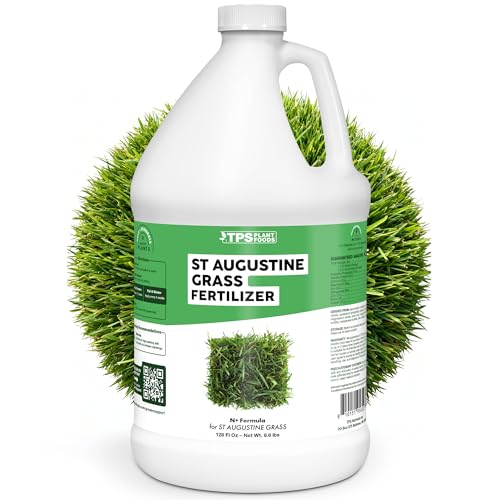 |
St Augustine Liquid Lawn Food | Faster nutrient absorption | Covers large lawn areas | No spreader required | View on Amazon | Read Review |
| Perfect Spot Treatment | 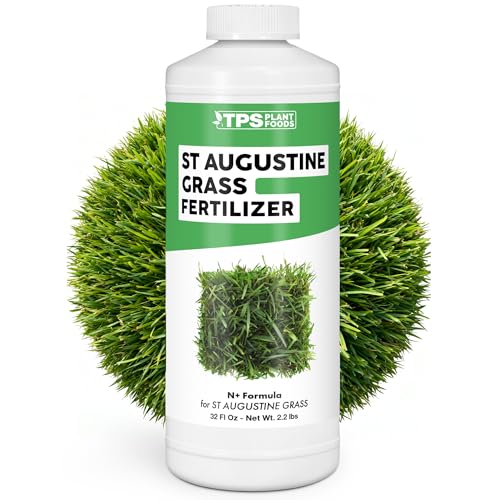 |
St Augustine Liquid Lawn Food 32oz | Great for targeted spots | Easy to store away | Consistent liquid consistency | View on Amazon | Read Review |
| Ideal Trial Size |  |
St Augustine Liquid Lawn Food 8oz | Extremely portable packaging | Good for small patches | Simple to apply | View on Amazon | Read Review |
| Reliable Granular Classic |  |
Scotts Turf Builder Lawn Food | Consistent slow-release feeding | Easy to distribute evenly | Trusted brand heritage | View on Amazon | Read Review |
| Triple Action Defense |  |
BioAdvanced 3-in-1 Southern Feed | Feeds, weeds, and protects | Saves significant time | Effective for Southern lawns | View on Amazon | Read Review |
More Details on Our Top Picks
-
St Augustine Liquid Lawn Food
If you want to maintain a lush lawn without the hassle of bulky bags, this gallon container is your go-to solution. It acts like a concentrated vitamin shot for your grass, delivering nutrients directly to the soil for rapid absorption.
You will appreciate the one-gallon volume if you have a larger yard that requires frequent feeding. Because it is a liquid, you do not have to worry about the uneven distribution often associated with granular products. Just keep in mind that you will need a hose-end sprayer to apply it effectively.
- Product Type:Liquid lawn fertilizer
- Weight Or Volume:1 gallon
- Target Grass Type:St Augustine
- Primary Function:Growth enhancement
- Additional Feature:Liquid formula for quick uptake
- Additional Feature:Easy hose-end application
- Additional Feature:Promotes thicker leaf blades
-
St Augustine Liquid Lawn Food 32oz
Sometimes you only need to fix a few thinning patches rather than treating the entire property. This 32-ounce version provides the exact same nutrient-rich formula as the larger gallon size but in a more manageable package for smaller jobs.
It is an excellent choice for keeping your curb appeal high without storing large containers in your garage. While it works wonders for specific areas, you might find the cost-per-ounce is higher than buying the bulk container if you have a massive lawn.
- Product Type:Liquid lawn fertilizer
- Weight Or Volume:32 ounces
- Target Grass Type:St Augustine
- Primary Function:Growth support
- Additional Feature:Compact storage size
- Additional Feature:Precise application capability
- Additional Feature:Encourages dense green growth
-
St Augustine Liquid Lawn Food 8oz
If you are hesitant to commit to a massive supply of chemicals, this 8-ounce bottle offers a low-stakes way to see how your grass responds. It delivers the same growth-promoting nutrients as its larger counterparts in a bottle small enough to tuck into a garden tote.
Use this for focal points or ornamental grass patches that need a quick boost before an event. Remember that this volume will run out very quickly if you attempt to use it on anything beyond a small courtyard or individual garden beds.
- Product Type:Liquid lawn fertilizer
- Weight Or Volume:8 ounces
- Target Grass Type:St Augustine
- Primary Function:Nutrient boost
- Additional Feature:Minimal storage space needed
- Additional Feature:Concentrated liquid formula
- Additional Feature:Quick application process
-
Scotts Turf Builder Lawn Food
There is a reason this brand has become a household name for routine maintenance. The granular delivery system allows for a slow release of nutrients, which means your St Augustine grass gets fed consistently over several weeks rather than all at once.
This is the right pick if you prefer the tried-and-true method of using a mechanical spreader. Be aware that you must water the lawn thoroughly after application to prevent burning the grass blades.
- Product Type:Granular lawn food
- Weight Or Volume:12.5 pounds
- Target Grass Type:Southern grasses
- Primary Function:General lawn nutrition
- Additional Feature:Enhances color and density
- Additional Feature:Works with standard spreaders
- Additional Feature:Supports root development
-
BioAdvanced 3-in-1 Southern Feed
Dealing with weeds and pests at the same time is like trying to pat your head and rub your belly, but this all-in-one product handles both tasks. It feeds your St Augustine grass while simultaneously killing invasive weeds and controlling common lawn-damaging insects.
It is a massive time-saver for homeowners who want to reduce the number of trips they make around the yard. However, you should check the weed-killing label carefully, as it may not be effective against every single type of unwanted plant in your specific climate.
- Product Type:Weed and feed
- Weight Or Volume:10 pounds
- Target Grass Type:Southern lawns
- Primary Function:Fertilization and pest control
- Additional Benefits:Insect protection
- Additional Feature:Broad-spectrum weed control
- Additional Feature:Formula protects against bugs
- Additional Feature:Promotes overall plant health
Frequently Asked Questions
How much fertilizer should I apply to my St. Augustine lawn?
Use a standard rate of 1 pound of nitrogen per 1,000 square feet of lawn. You can calculate this by dividing 100 by the first number on the fertilizer bag to see how many pounds of product you need for that coverage.
Can I use a fertilizer meant for Bermuda grass on my St. Augustine?
You should avoid doing this because fertilizers formulated for other grasses often contain herbicides that kill St. Augustine. These products may also have different ratios of nutrients that encourage the wrong type of growth. Stick to bags labeled specifically for your grass type to stay safe.
Why is my St. Augustine turning yellow after I fertilized it?
This often happens due to iron deficiency or a pH level that is too high. If the soil is too alkaline, the grass cannot absorb the nutrients you just provided. A quick iron supplement spray can usually fix the color while you address the underlying soil issue.
Should I water my lawn after applying fertilizer?
Yes, you must water the lawn with about one quarter inch of water after application. This helps the granules reach the soil surface and protects your grass from chemical burn. It also ensures the nutrients reach the root zone quickly.
Does St. Augustine grass need fertilizer in the winter?
No, you should stop fertilizing once the grass enters its dormancy phase in the cooler months. Applying nitrogen when the grass is not growing can lead to fungal diseases and wasted product. Wait until the grass shows signs of greening up again in the spring.