


The heavy scent of toasted cumin and fenugreek often signals a kitchen that has finally mastered the art of the tempering process. You probably want that same deep, aromatic complexity in your own home cooking.
These Best Indian Cookbooks provide the precise techniques needed to stop guessing at spices and start building authentic flavors. Finding the right volume is the difference between a bland meal and a culinary revelation.
Key Takeaways
- Prioritize books that explain the foundational science of spices rather than just providing long ingredient lists.
- Choose volumes that explicitly distinguish between restaurant-style gravies and authentic home-style family meals.
- Verify the inclusion of metric and imperial measurements to ensure your proportions remain accurate.
- Focus on authors who provide clear instructions for balancing heat, acidity, and sweetness.
- Select titles that include photography for complex folding or shaping techniques used in breads and street snacks.
| Best Plant-Based Guide |  |
Meera Sodha Vegetarian India | Focuses on vegetables | Very accessible instructions | Modern approach | View on Amazon | Read Review |
| Iconic Cafe Favorites |  |
Dishoom Restaurant Cookbook | Professional restaurant secrets | Immersive storytelling | Cult-classic recipes | View on Amazon | Read Review |
| Essential Family Classics | 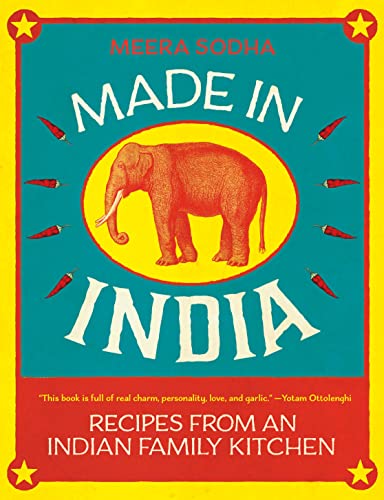 |
Madhur Jaffrey Made in India | Reliable classic recipes | Balanced menu variety | Intuitive cooking methods | View on Amazon | Read Review |
| Comprehensive Technical Manual |  |
Monisha Bharadwaj Indian Cooking Course | Excellent technical guidance | Massive recipe volume | Ingredient deep dives | View on Amazon | Read Review |
| Award Winning Masterpiece |  |
Madhur Jaffrey Invitation to Cooking | Timeless culinary wisdom | Award-winning pedigree | Beginner-friendly explanations | View on Amazon | Read Review |
| Regional Street Exploration |  |
At-Home Recipes Indian Street Food | Unique regional variety | Energetic flavor profiles | Accessible street food | View on Amazon | Read Review |
| Takeaway Style Specialist |  |
The Curry Guy Bible | Replicates takeaway flavors | Highly efficient methods | Massive recipe count | View on Amazon | Read Review |
| Comforting Home Cooking |  |
Zareen’s Pakistani Kitchen | Personal storytelling | Comforting family recipes | Unique regional insights | View on Amazon | Read Review |
| Encyclopedic Culinary Reference |  |
Pushpesh Pant India Cookbook | Unmatched recipe variety | Comprehensive regional scope | Great reference material | View on Amazon | Read Review |
| Savory Snack Specialist |  |
Maneet Chauhan Chaat Cookbook | Celebrates snack culture | Vibrant flavor combinations | Creative assembly methods | View on Amazon | Read Review |
More Details on Our Top Picks
-
Meera Sodha Vegetarian India
If you want to explore the diverse landscape of meat-free Indian cooking, this book is your primary resource. Meera Sodha moves beyond standard restaurant fare to highlight the fresh produce and vibrant spices that define authentic home kitchens.
The instructions are clear and reliable, making complex flavors accessible for everyday meals. You might find the ingredient list requires a trip to a specialty store for certain items, but the results are consistently rewarding.
- Author Focus:Meera Sodha
- Cuisine Style:Vegetarian home cooking
- Target Audience:Plant-based home cooks
- Additional Feature:Seasonal vegetable recipes
- Additional Feature:Fresh flavor profiles
- Additional Feature:Clear ingredient guidance
-
Dishoom Restaurant Cookbook
This book captures the nostalgic charm of the famous Bombay-style cafes in London. You will appreciate the deep dive into the restaurant's signature dishes, such as their famous breakfast bacon naan and hearty black daal.
It reads like a love letter to a city, blending history with high-end culinary execution. The recipes are ambitious, so expect to invest significant time in the kitchen to achieve that authentic restaurant quality.
- Author Focus:Shamil and Kavi Thakrar
- Cuisine Style:Bombay cafe style
- Target Audience:Restaurant food enthusiasts
- Additional Feature:Signature drink recipes
- Additional Feature:Iconic restaurant history
- Additional Feature:High-quality photography
-
Madhur Jaffrey Made in India
Madhur Jaffrey provides a foundational collection that feels like an heirloom passed down through generations. The recipes are manageable for the average cook yet retain the soulful depth you expect from traditional Indian food.
You get a perfect balance of meat, fish, and vegetable dishes that suit any night of the week. While some techniques require patience, the straightforward writing ensures you avoid common pitfalls.
- Author Focus:Madhur Jaffrey
- Cuisine Style:Traditional family cooking
- Target Audience:Beginning to intermediate cooks
- Additional Feature:Simple meal planning
- Additional Feature:Authentic spice blends
- Additional Feature:Heritage techniques
-
Monisha Bharadwaj Indian Cooking Course
Think of this book as a culinary degree in a single binding. It breaks down the physics of Indian cooking, teaching you how spices bloom and how different heat levels alter the texture of pulses.
The systematic approach is perfect if you want to understand the "why" behind every step. Because of its heavy instructional focus, it may feel a bit dense if you are just looking for a quick weeknight dinner.
- Author Focus:Monisha Bharadwaj
- Recipe Count:300 recipes
- Cuisine Style:Instructional Indian
- Target Audience:Culinary students
- Additional Feature:Ingredient masterclasses
- Additional Feature:Step-by-step techniques
- Additional Feature:Detailed flavor maps
-
Madhur Jaffrey Invitation to Cooking
This book has remained a gold standard for five decades, and for good reason. It teaches you to master the basics of aromatics and heat, acting as a steady compass for anyone just starting their journey into Indian cuisine.
The writing is elegant, stripping away the intimidation factor often associated with spice-heavy menus. You might notice the lack of color photos compared to modern releases, but the substance of the writing more than compensates.
- Author Focus:Madhur Jaffrey
- Cuisine Style:Classic Indian
- Target Audience:Home cooks of all levels
- Additional Feature:Historical context
- Additional Feature:Flavor profile guides
- Additional Feature:Essential spice breakdown
-
At-Home Recipes Indian Street Food
If you crave the bold, salty, and spicy flavors found in bustling marketplaces, look here. This book acts as a passport to the snacks and roadside dishes that are often overlooked in standard cookbooks.
You will find recipes that feel spontaneous and lively, capturing the raw energy of truck stops and village stalls. It is a fantastic choice if you want to move away from heavy curries and toward vibrant snacks.
- Cuisine Style:Street and regional food
- Regional Coverage:Pan-Indian
- Target Audience:Adventurous eaters
- Additional Feature:Marketplace snack secrets
- Additional Feature:Regional specialty guides
- Additional Feature:Authentic spice ratios
-
The Curry Guy Bible
Most people start their Indian cooking journey craving the familiar tastes of their local takeaway shop. This book effectively demystifies those complex, rich restaurant gravies so you can replicate them in your own kitchen.
It is a practical guide that relies on a few "base" recipes to build a wide range of final dishes. The approach is highly efficient, though it leans heavily into restaurant-style richness rather than light home-style cooking.
- Author Focus:Dan Toombs
- Recipe Count:Over 200 recipes
- Cuisine Style:Restaurant and takeaway
- Target Audience:Takeaway fans
- Additional Feature:Base gravy techniques
- Additional Feature:Restaurant-style sides
- Additional Feature:Simple prep lists
-
Zareen’s Pakistani Kitchen
This book brings a warm, personal touch to the table, focusing on the specific comfort foods of a Pakistani upbringing. You get a blend of hearty meat dishes and delicate vegetable sides that feel deeply personal and authentic.
The author shares stories that make the recipes feel like a conversation rather than a dry list of instructions. It is an ideal choice if you want to explore the overlap and distinct character of Pakistani and Indian flavors.
- Author Focus:Zareen Khan
- Cuisine Style:Pakistani and Indian
- Target Audience:Fans of homestyle food
- Additional Feature:Childhood recipe favorites
- Additional Feature:Cultural context notes
- Additional Feature:Simple family dinners
-
Pushpesh Pant India Cookbook
This massive volume is the most complete record of Indian recipes available in one place. It spans the entire subcontinent, offering an exhaustive inventory of regional specialties that you won't find in smaller, curated books.
Because it covers such vast territory, it functions better as a reference book for your shelf than a book you read cover-to-cover. It is a powerful tool for anyone serious about building a collection of authentic, diverse recipes.
- Author Focus:Pushpesh Pant
- Cuisine Style:Authentic regional Indian
- Regional Coverage:Entire subcontinent
- Target Audience:Serious culinary collectors
- Additional Feature:Encyclopedic scope
- Additional Feature:Historical regional notes
- Additional Feature:Traditional techniques
-
Maneet Chauhan Chaat Cookbook
Chaat is the heartbeat of Indian snacking, and this book captures that explosive mixture of sweet, spicy, and tangy flavors perfectly. You will learn to construct these complex layers using simple components like chutneys and crisp doughs.
It is a joyful book that celebrates the playful side of Indian cooking. You might find yourself spending more time assembling ingredients than actually cooking, but the final, bright results are well worth the effort.
- Author Focus:Maneet Chauhan
- Cuisine Style:Indian street snacks
- Target Audience:Party hosts and snackers
- Additional Feature:Chutney masterclasses
- Additional Feature:Assembly tips
- Additional Feature:Creative topping ideas
Frequently Asked Questions
Do I need a spice grinder to follow these recipes?
While a dedicated spice grinder makes the process easier, it is not strictly mandatory. You can use a mortar and pestle for a more traditional, coarse texture in your spice blends. Most authors provide tips on using pre-ground spices as a time-saving alternative.
How do I know if a recipe is too spicy for my palate?
Heat levels are often subjective and depend heavily on the dried chili varieties used. Look for books that provide a heat scale or suggest removing seeds from peppers to control the intensity. You can almost always adjust the amount of cayenne or chili powder to suit your personal preference.
Are these cookbooks suitable for a beginner cook?
Many entries are written specifically to demystify complex techniques for novice cooks. Seek out titles that feature step-by-step photography or clear explanations of fundamental processes like tempering spices. These visual aids act as a bridge between curiosity and confidence in the kitchen.
What are the most essential spices to keep on hand?
Most Indian recipes rely on a core set of turmeric, cumin, coriander, and mustard seeds. Having these four items is like having a reliable toolkit for almost any dish. Once you master these, you can slowly expand your collection with garam masala and specialty aromatics.
Why do some recipes call for tempering spices in hot oil?
Tempering, or blooming spices, is the secret to extracting the essential oils from dry seeds. This process transforms the flavor from raw and harsh to deeply fragrant and mellow. It serves as the aromatic heartbeat of the dish, providing a base that infuses the entire meal.