


Many people assume that full-frame sensors are the only path to professional image quality. You might be surprised to find that compact glass often outperforms larger alternatives by remaining lightweight and nimble for daily use.
Finding the Best Sony Apsc Lenses is not just about saving weight in your gear bag. It is about matching your specific shooting style to the right focal length. Read on to see which glass makes the most sense for your camera body.
Key Takeaways
- Prioritize a constant aperture if you frequently shoot in low light or crave that soft, blurred background look.
- Check for optical stabilization inside the lens barrel if your specific camera body lacks an in-body image stabilization system.
- Consider the weight of your setup because a front-heavy combination will eventually make long shooting days feel like a workout.
- Verify if the lens features an internal focus motor that supports fast tracking for moving subjects.
- Match the filter diameter across your collection to save money on expensive glass circular polarizers and neutral density filters.
| Ultimate Vlogging Wide-Angle |  |
Sony E 11mm F1.8 Prime | Extremely wide perspective | Excellent low light performance | Very lightweight build | View on Amazon | Read Review |
| Premier Reach Companion | 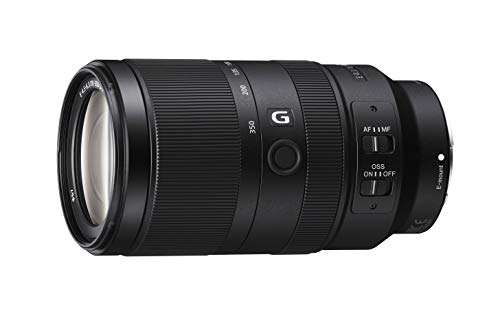 |
Sony 70-350mm F4.5-6.3 G Lens | Impressive zoom range | Sharp G series optics | Effective image stabilization | View on Amazon | Read Review |
| Budget Telephoto Starter |  |
Sony E 55-210mm F4.5-6.3 Telephoto | Very lightweight | Includes optical stabilization | Covers popular telephoto range | View on Amazon | Read Review |
| Professional Standard Workhorse | 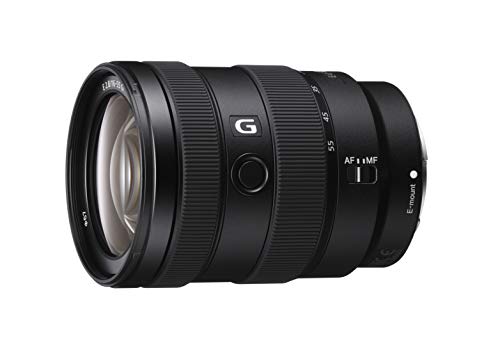 |
Sony 16-55mm F2.8 G Zoom | Constant F2.8 aperture | Exceptional edge-to-edge sharpness | Professional grade weather sealing | View on Amazon | Read Review |
| Classic Portrait Specialist |  |
Sony FE 50mm F1.8 Prime | Beautiful bokeh effect | Sharp optical performance | Compact and unobtrusive | View on Amazon | Read Review |
| Versatile All-In-One |  |
Tamron 17-70mm F2.8 Zoom | Extensive zoom range | Fast and quiet autofocus | Built-in vibration compensation | View on Amazon | Read Review |
| Creative Manual Option | TTArtisan 25mm F2 Manual | Extremely compact size | Fun manual experience | Very affordable entry point | View on Amazon | Read Review | |
| Ultimate Travel Compact | 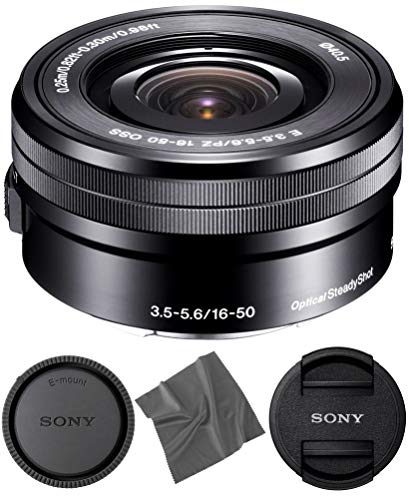 |
Sony 16-50mm F3.5-5.6 Zoom | Retractable design saves space | Built-in optical stabilization | Ideal for everyday carry | View on Amazon | Read Review |
| Lightweight Wildlife Hunter |  |
Tamron 70-300mm F4.5-6.3 Telephoto | Very lightweight telephoto | Long 300mm reach | Sleek and simple design | View on Amazon | Read Review |
| Modern Street Prime | 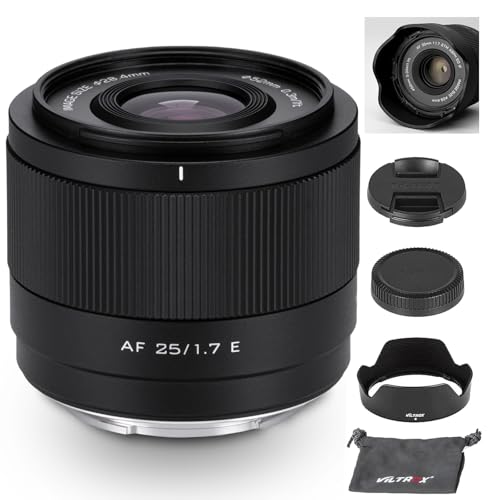 |
Viltrox 25mm F1.7 Prime | Fast maximum aperture | Reliable autofocus speed | Sturdy metal construction | View on Amazon | Read Review |
More Details on Our Top Picks
-
Sony E 11mm F1.8 Prime
If you spend your time filming vlogs or capturing expansive architecture, this lens is your best friend. It offers a super-wide field of view that keeps everything in frame, even when your arm is fully extended.
The bright F1.8 aperture is a massive win for those who shoot in dim lighting. Just keep in mind that because it is an ultra-wide prime, you do not get the versatility of a zoom. You will need to move your feet to frame the shot.
- Brand:Sony
- Lens Type:Ultra-Wide Prime
- Focal Range:11mm
- Aperture Range:F1.8 – F16
- Filter Size:55mm
- Additional Feature:Fast linear autofocus motor
- Additional Feature:Dust and moisture resistant
- Additional Feature:Rounded seven blade aperture
-
Sony 70-350mm F4.5-6.3 G Lens
This lens is the gold standard for wildlife and sports shooters who refuse to carry a full-frame telephoto. It provides a massive amount of reach while staying compact enough to toss into a small camera bag.
The built-in optical stabilization is a lifesaver when you are zoomed all the way into 350mm. You will notice the aperture narrows as you zoom, so you might need to push your ISO higher in the late afternoon.
- Brand:Sony
- Lens Type:Super-Telephoto Zoom
- Focal Range:70-350mm
- Aperture Range:F4.5-6.3
- Stabilization:Optical SteadyShot
- Filter Size:67mm
- Additional Feature:XD linear motor autofocus
- Additional Feature:Customizable focus hold button
- Additional Feature:Zoom lock switch
-
Sony E 55-210mm F4.5-6.3 Telephoto
If you are just starting your journey into telephoto photography, this is the logical next step after your kit lens. It covers the mid-to-long range, making it quite useful for sports or capturing distant subjects at the park.
It is surprisingly light and portable for a lens with this much range. It does lack the sharpness of the high-end G series lenses, but it serves as a perfectly capable entry point for beginners.
- Brand:Sony
- Lens Type:Telephoto Zoom
- Focal Range:55-210mm
- Aperture Range:F4.5-6.3
- Stabilization:Optical SteadyShot
- Filter Size:49mm
- Additional Feature:Compact aluminum alloy barrel
- Additional Feature:Internal focusing mechanism
- Additional Feature:Quiet autofocus operation
-
Sony 16-55mm F2.8 G Zoom
This lens is essentially the Swiss Army knife of the Sony APS-C world. By offering a constant F2.8 aperture throughout the zoom range, it ensures your exposure stays consistent even if you change your composition mid-shoot.
The build quality is top-tier, designed to handle daily professional demands. It is physically larger than your standard kit lens, but that extra size is a trade-off for the clarity and speed it delivers.
- Brand:Sony
- Lens Type:Standard Zoom
- Focal Range:16-55mm
- Aperture Range:F2.8 – F22
- Filter Size:67mm
- Additional Feature:XD linear focus motor
- Additional Feature:Customizable focus hold button
- Additional Feature:Nano AR coating
-
Sony FE 50mm F1.8 Prime
Every photographer needs a sharp 50mm prime in their arsenal for portraits and street photography. Even though it is designed for full-frame, it works beautifully on APS-C bodies to provide a flattering 75mm equivalent field of view.
The wide aperture creates a smooth background blur that makes your subjects pop off the frame. Note that the autofocus can be a bit leisurely compared to the newer dedicated APS-C glass.
- Brand:Sony
- Lens Type:Standard Prime
- Focal Range:50mm
- Aperture Range:F1.8 – F22
- Filter Size:49mm
- Additional Feature:Metal lens mount
- Additional Feature:Lightweight design
- Additional Feature:Seven blade circular aperture
-
Tamron 17-70mm F2.8 Zoom
If you prefer to carry only one lens for a full day of shooting, this is the one. The extended zoom range goes beyond the typical standard zoom, giving you more flexibility for both wide shots and tight portraits.
Having a constant F2.8 aperture is rare in this range and makes it a dream for low-light situations. It is slightly heavier than the standard Sony zooms, but the trade-off in range makes it worth the extra weight.
- Brand:Tamron
- Lens Type:Standard Zoom
- Focal Range:17-70mm
- Aperture Range:F2.8 – F16
- Stabilization:Vibration Compensation
- Filter Size:67mm
- Additional Feature:Moisture resistant construction
- Additional Feature:Fluorine coating on lens
- Additional Feature:RXD stepping motor
-
TTArtisan 25mm F2 Manual
Sometimes it is fun to slow down and rediscover the art of manual focusing. This lens is incredibly compact, making your camera feel like a lightweight street shooter from the film era.
The F2 aperture provides a bright image and decent low-light capability for such a small package. Just be aware that you will need to rely on your focus peaking settings because there is no electronic communication with the camera.
- Brand:TTArtisan
- Lens Type:Manual Prime
- Focal Range:25mm
- Aperture Range:F2 – F16
- Filter Size:43mm
- Additional Feature:All metal lens body
- Additional Feature:Clicked aperture ring
- Additional Feature:Seven element optical design
-
Sony 16-50mm F3.5-5.6 Zoom
This is the pancake zoom that often comes bundled with cameras for a reason. It is exceptionally small, retracting into a tiny puck when the camera is off, which means you can easily slide it into a jacket pocket.
It is perfect for casual snapshots and vacation days where weight is the primary concern. It is not the sharpest lens in the lineup, but it wins the prize for sheer convenience.
- Brand:Sony
- Lens Type:Standard Power Zoom
- Focal Range:16-50mm
- Aperture Range:F3.5-5.6
- Stabilization:Optical SteadyShot
- Filter Size:40.5mm
- Additional Feature:Electronic power zoom lever
- Additional Feature:Compact pancake design
- Additional Feature:Internal focusing
-
Tamron 70-300mm F4.5-6.3 Telephoto
This lens manages to fit a massive telephoto range into a surprisingly slim and light body. It is an excellent choice for hikers who want to capture wildlife without adding a heavy burden to their gear pack.
The image quality is solid across the range, providing clean results in daylight. Because it lacks built-in stabilization, you should keep your shutter speeds high to avoid any motion blur when shooting handheld.
- Brand:Tamron
- Lens Type:Telephoto Zoom
- Focal Range:70-300mm
- Aperture Range:F4.5-6.3
- Filter Size:67mm
- Additional Feature:RXD autofocus stepping motor
- Additional Feature:Moisture resistant construction
- Additional Feature:Compatible with camera features
-
Viltrox 25mm F1.7 Prime
Viltrox has built a reputation for offering great value with lenses that feature modern autofocus and solid build quality. This 25mm prime is a great standard focal length for APS-C cameras, feeling natural for almost any subject.
The wide F1.7 aperture allows for nice subject separation and handles indoor scenes with ease. The autofocus is snappy enough for everyday shooting, though it may struggle with very fast action compared to Sony branded glass.
- Brand:Viltrox
- Lens Type:Standard Prime
- Focal Range:25mm
- Aperture Range:F1.7 – F16
- Filter Size:52mm
- Additional Feature:STM stepping motor
- Additional Feature:USB-C firmware update port
- Additional Feature:Multi-layer nano coating
Frequently Asked Questions
Can I use full-frame lenses on my APS-C Sony camera?
Yes, full-frame lenses are fully compatible with your APS-C camera. They will work perfectly, though you should keep in mind that the crop factor of 1.5x will change your effective focal length. For example, a 50mm lens will act like a 75mm lens on your camera. This gives you extra reach, but you might find the lenses bulkier and pricier than their dedicated APS-C counterparts.
What is the benefit of a prime lens over a zoom?
Prime lenses are usually smaller, lighter, and offer a wider aperture than zoom lenses. This makes them excellent for portraits and low-light scenarios where you want a soft background blur. Because they have fewer moving parts, they are often sharper and provide better image clarity. If you are learning photography, a prime lens helps you understand composition better by removing the crutch of zooming.
Do I need to buy Sony brand lenses only?
You have plenty of great options from third-party manufacturers like Sigma and Tamron. These companies make high-quality glass that is specifically designed for the Sony E mount. Often, these third-party lenses offer similar features to Sony originals for a lower price. Just ensure the lens is clearly marked for E mount before you commit to the purchase.
How do I know which focal length is best for me?
Think about what you plan to photograph most often. Wide-angle lenses, like 10mm to 18mm, are perfect for sweeping landscapes and tight indoor spaces. If you prefer portraits or street photography, a focal length between 35mm and 50mm provides a natural field of view. For sports or wildlife, you will want a telephoto zoom that reaches at least 200mm.
Are these lenses difficult to attach to the camera?
Attaching a lens is quite simple once you align the white mounting index on the lens with the matching mark on your camera body. Just rotate the lens clockwise until you hear a soft click. Removing the lens is just as easy, requiring only a press of the lens release button near the mount. Always hold the camera facing downward when swapping lenses to keep dust away from your sensor.